Skip to content
N-1 · In buildN-1 build book

NOVTR

Model rockets & flight computers. Built in Britain.
Scroll to launch

NOVTAR starts with model rockets and the flight computers inside them. We design the electronics, build the rockets, fly them, log every flight, and make the next one bigger.

Building now

Model rockets, and the chips that fly them.

Before anything goes to orbit, it has to work at a few hundred metres. So we start here: our own model rocket, and our own flight computer to fly inside it.
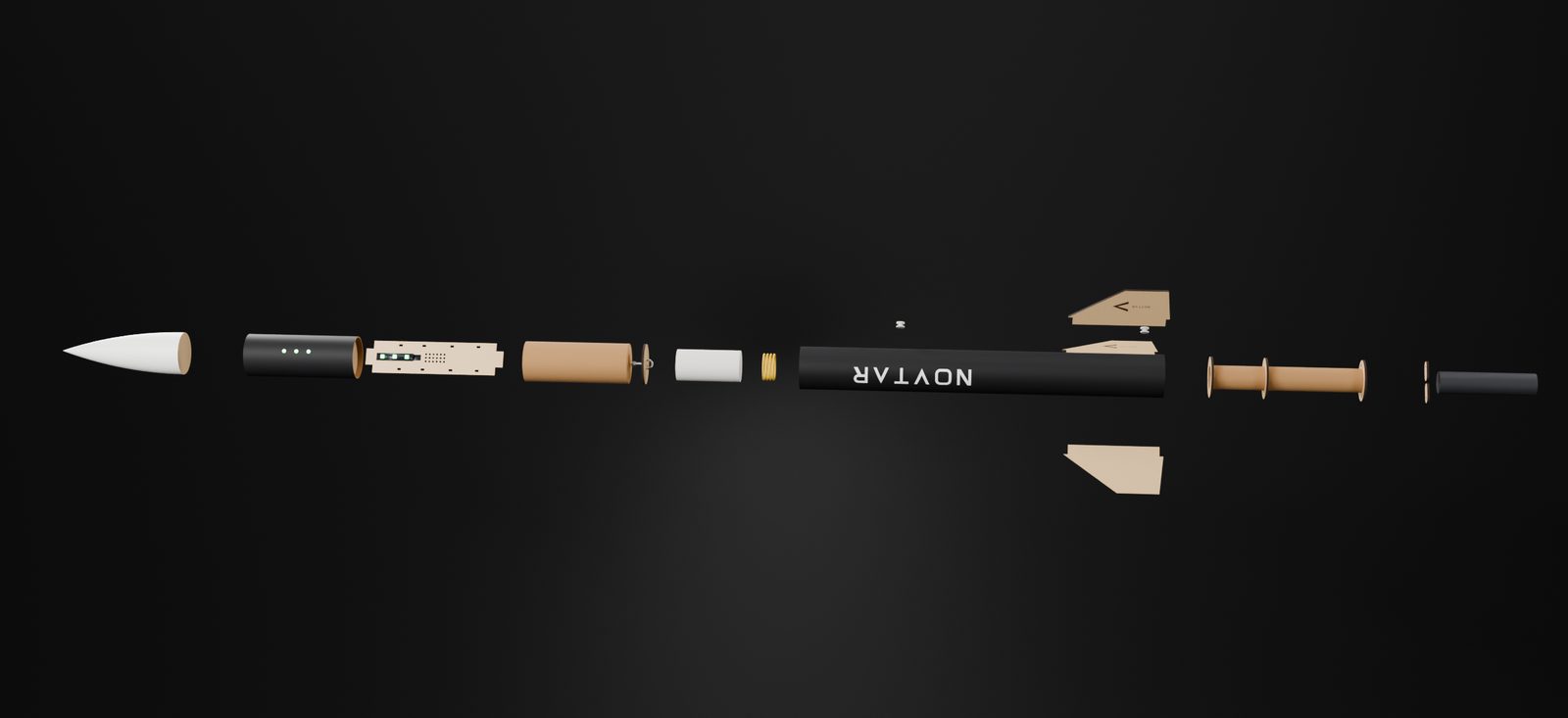
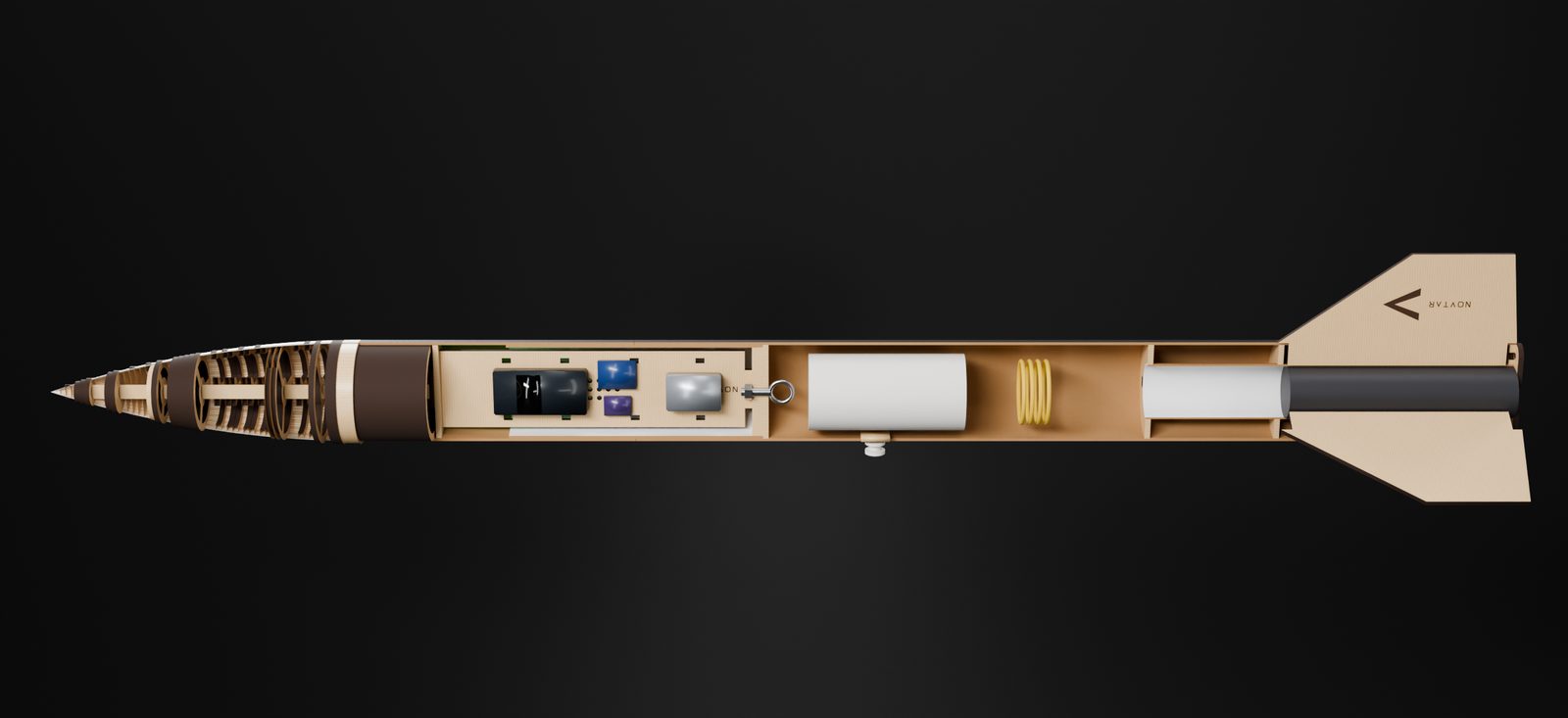
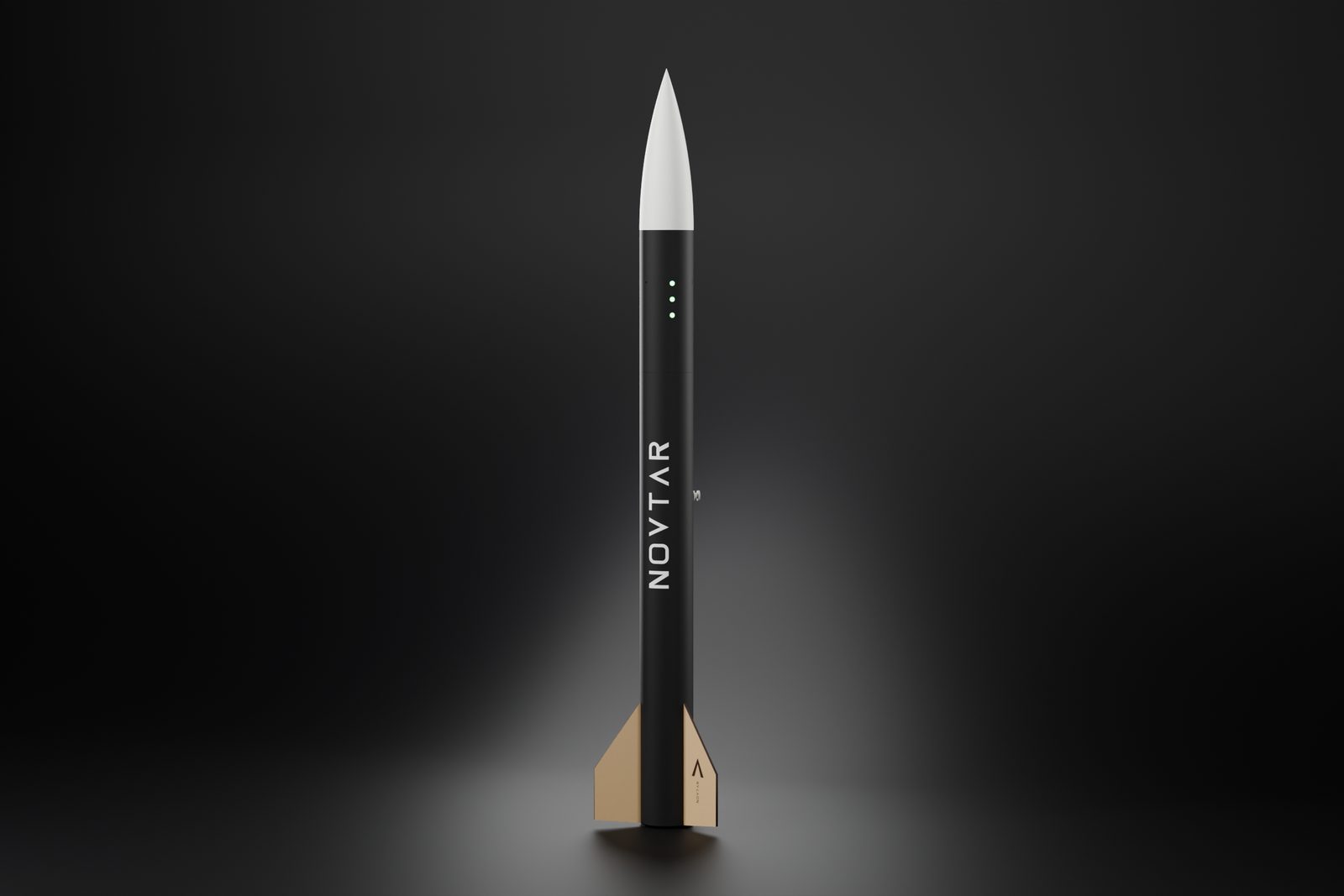
N-1 rendered from its design files: white nose, black body, birch fins and the NOVTAR wordmark
N-1Render

N-1 model rocket

Building
  • Flies on certified hobby motors
  • Parachute recovery so it comes back to fly again
  • Carries our own flight computer
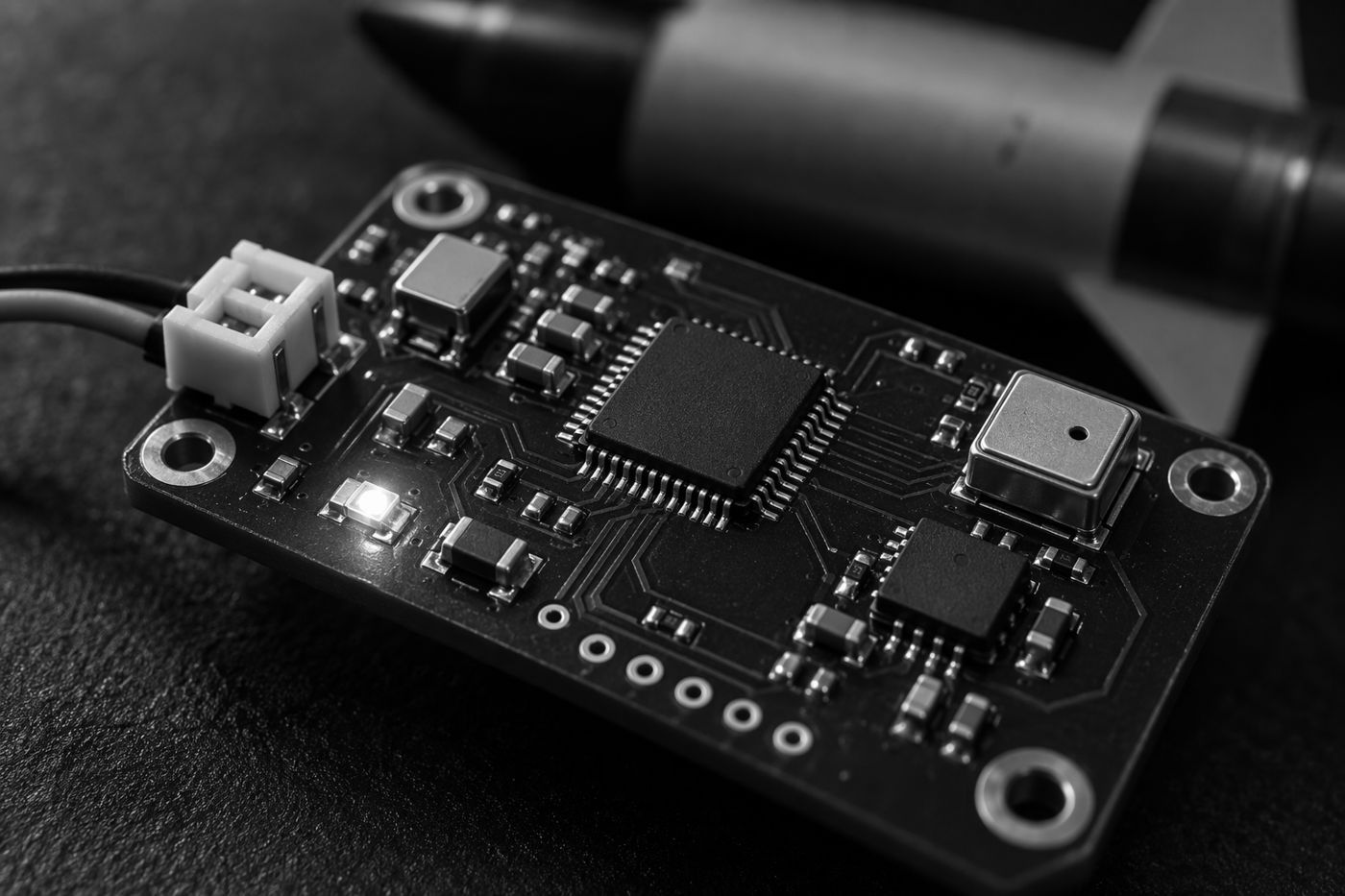
Concept art of a small rocket flight computer circuit board
Flight computerConcept

Flight computer

In design
  • Measures altitude and acceleration through the whole flight
  • Logs every flight so nothing is guessed
  • Sends live telemetry down to our ground station
  • Later, on N-1X: opens the parachute with a servo and spring, no explosives
The flight computer
MCU BARO IMU FLASH RADIO DEPLOY POWER
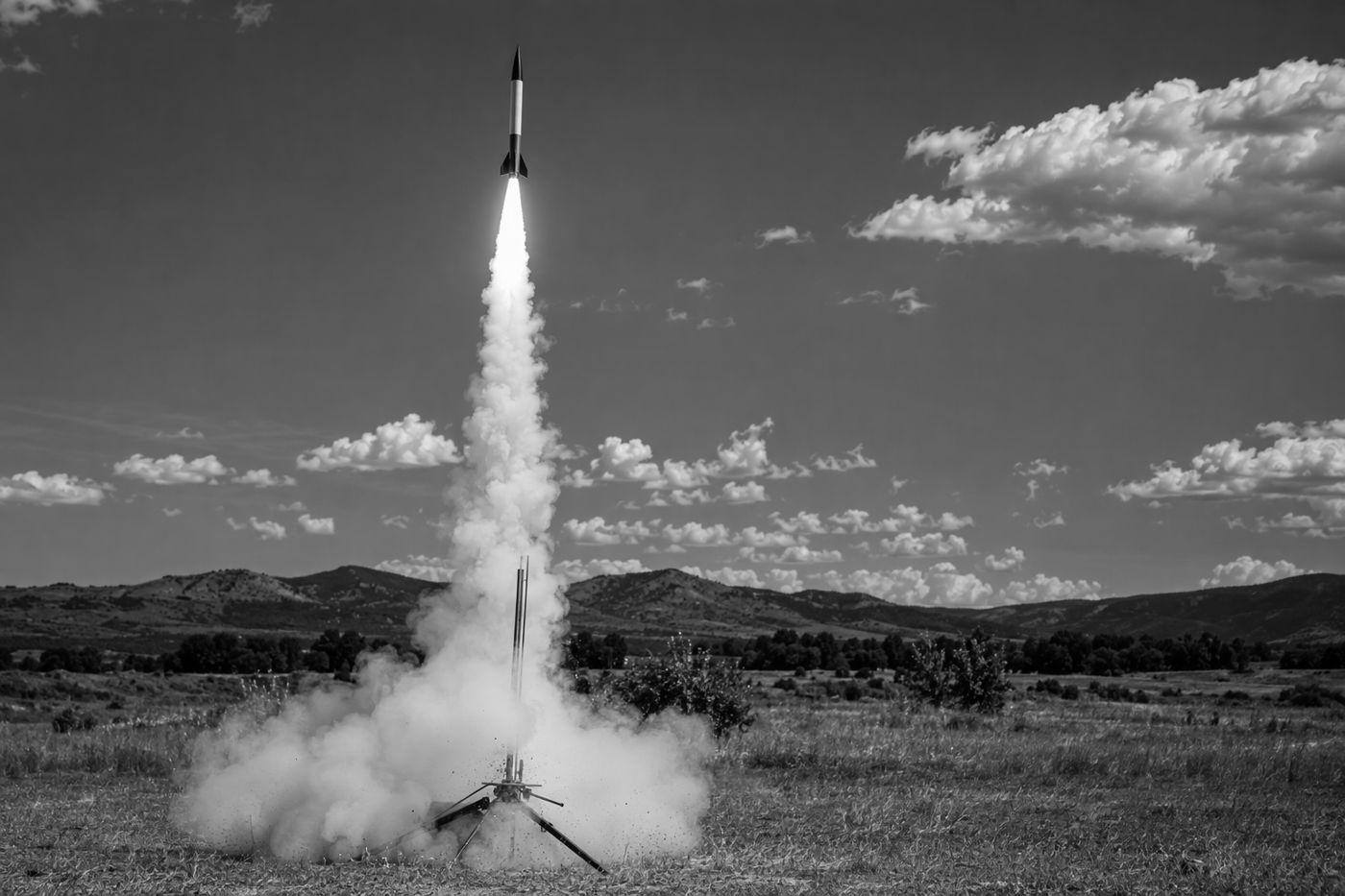
Concept art of a model rocket lifting off with a smoke trail
First flightsConcept
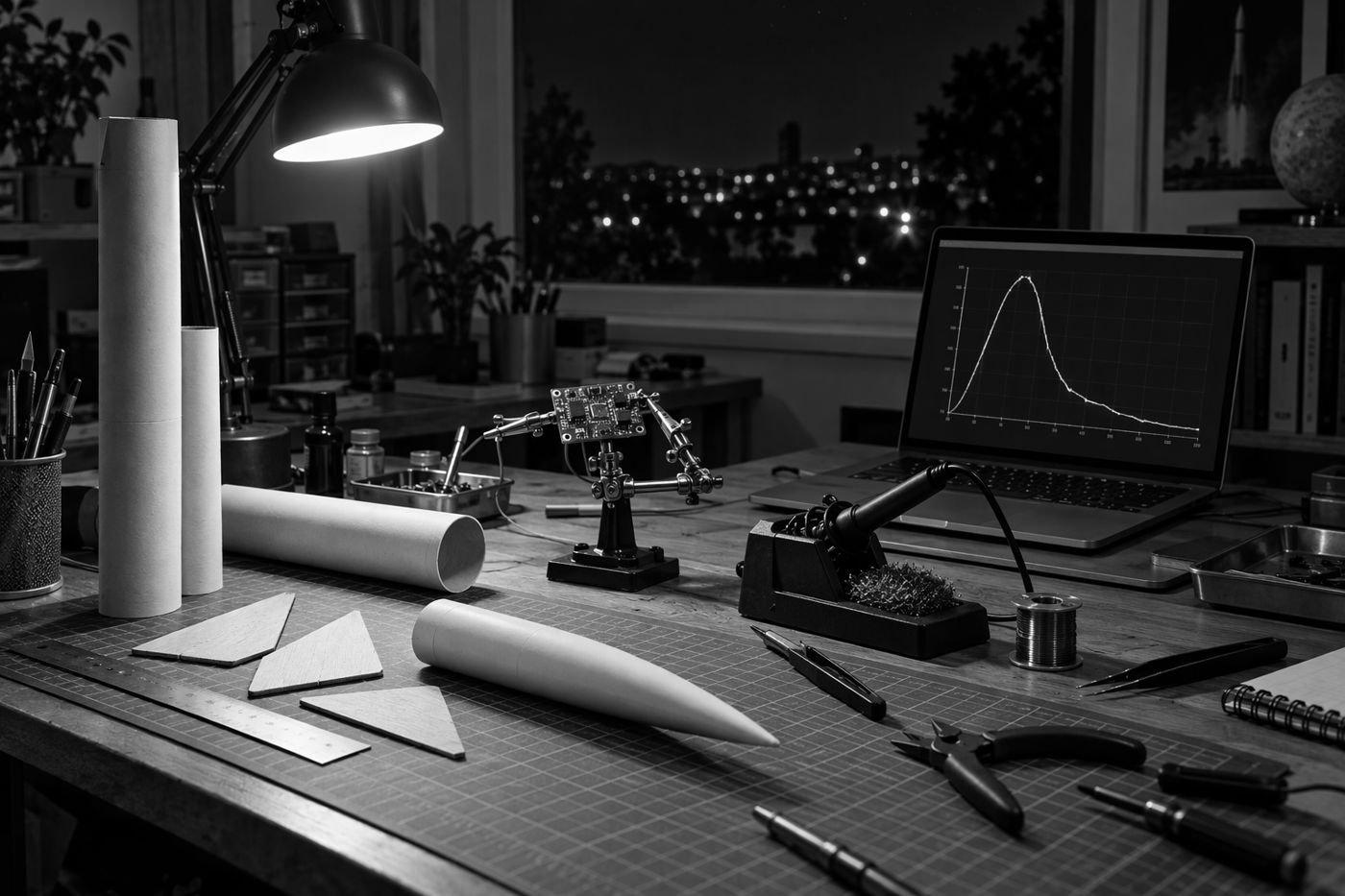
Concept art of a workbench with rocket parts, a soldering iron and a flight graph
The benchConcept
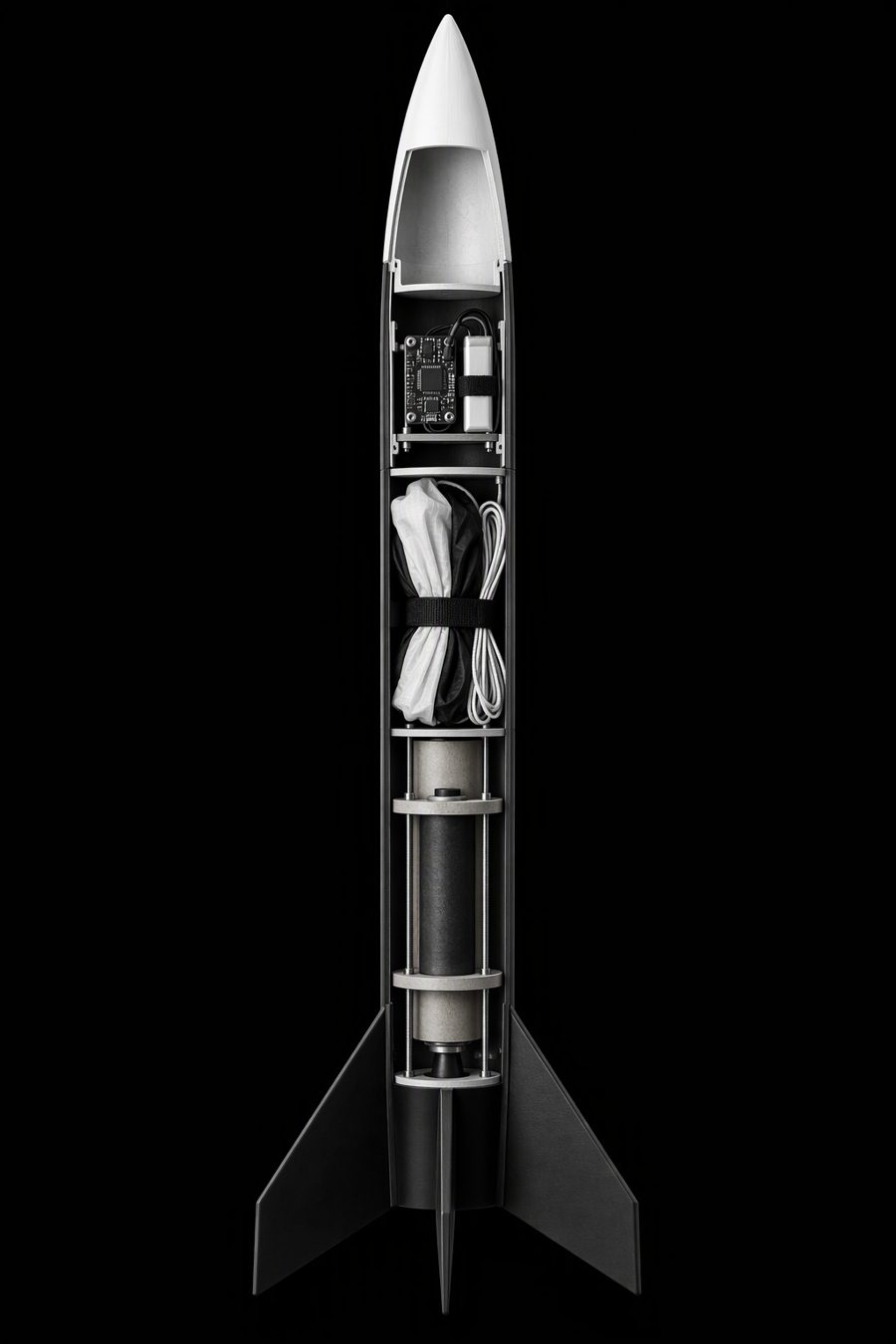
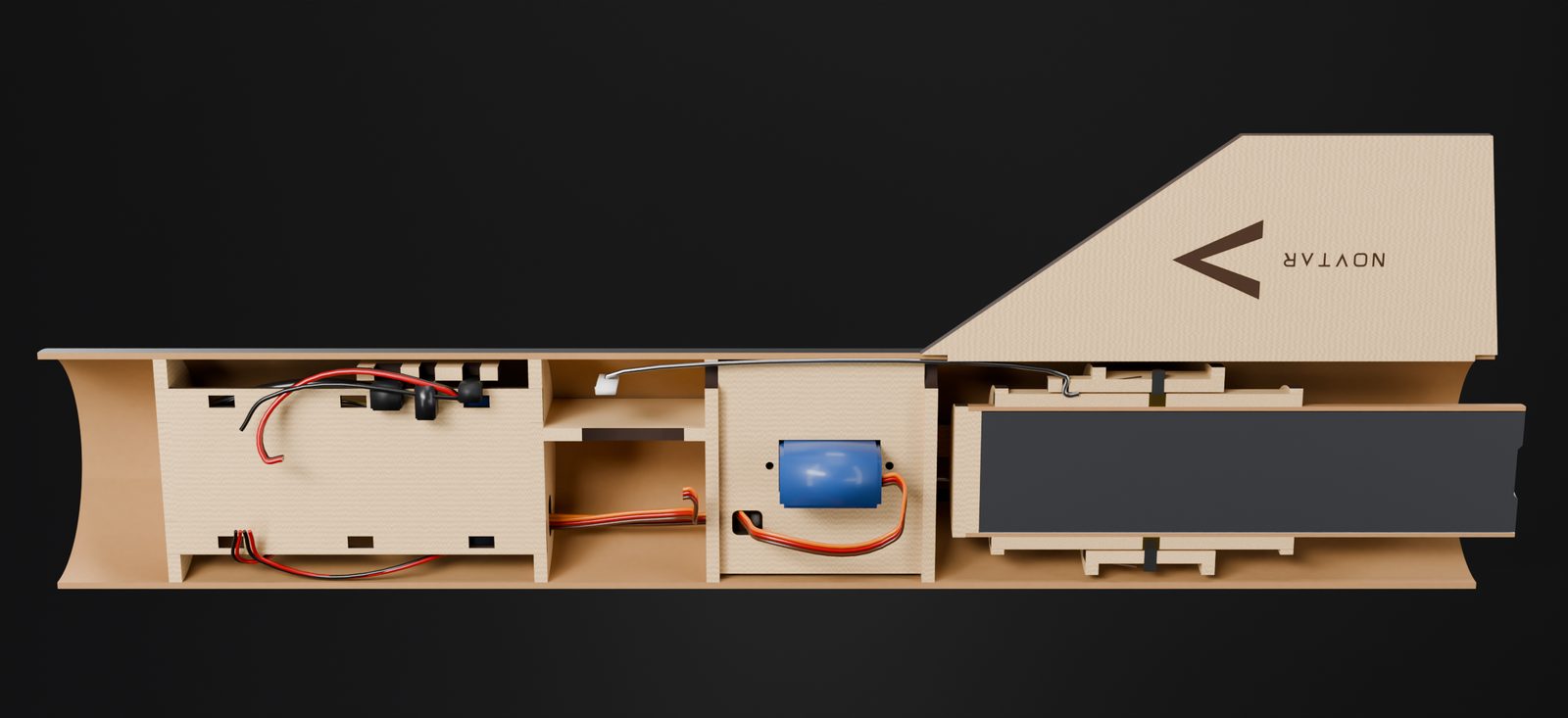
Concept cutaway render of the selected rocket
Concept render

Inside the rocket

N-1 · Building now

Certified solid motor

Our first rocket flies on bought, certified hobby motors. It is the safe, legal way to learn and the base everything else builds on.

Scroll to take it apart.
Part 1 of 6Nose coneShapes the air around the rocket and keeps it stable.

Propulsion

From bought motors to an engine of our own.

Each step only starts when the one before it is flying reliably. The electric-pump engine is where NOVTAR wants to do something genuinely new at small scale.
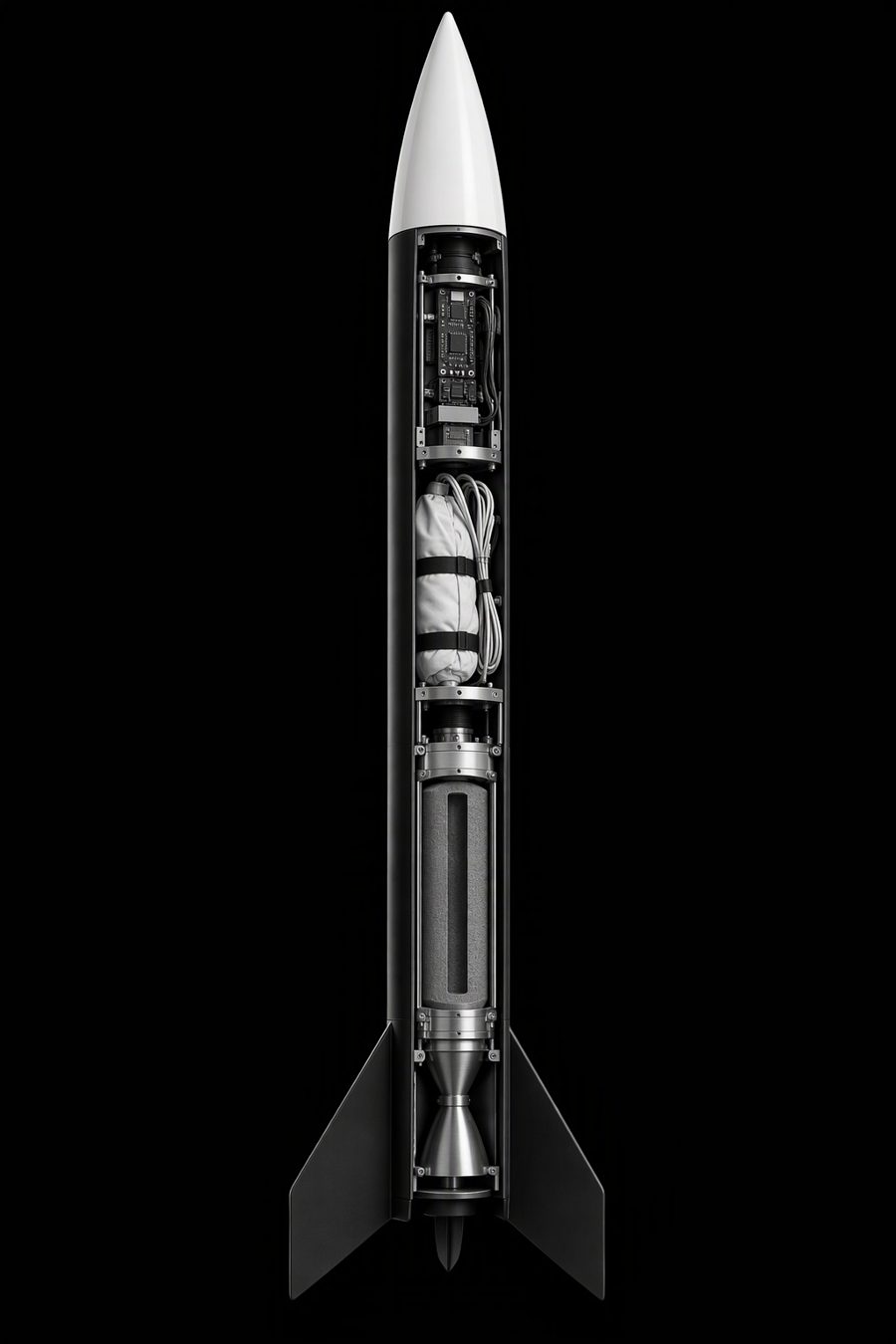
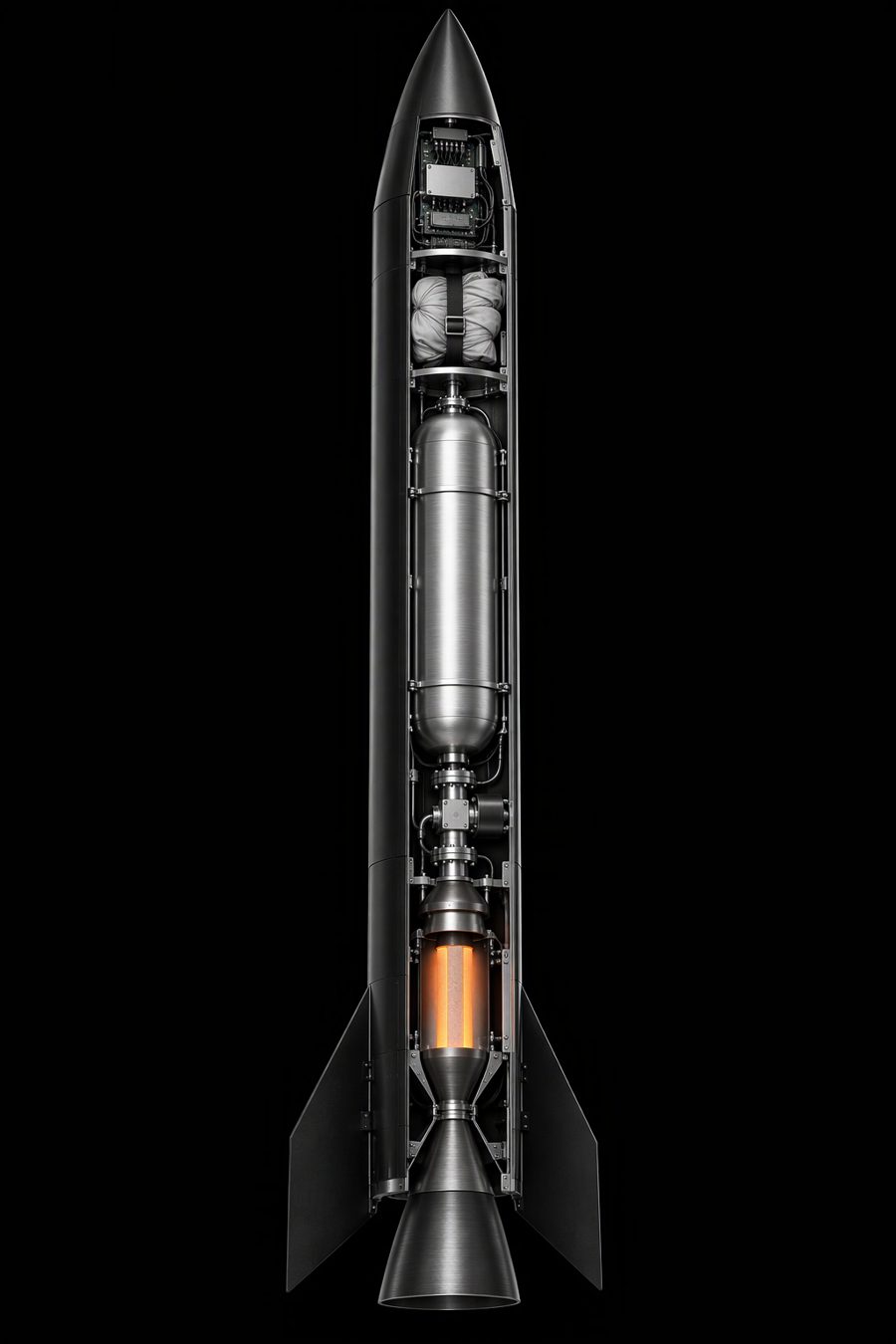
Concept cutaway of the N-1 rocket with a certified solid motor
N-1 SolidCertified motor · Now
Concept cutaway of the N-1S rocket with a research motor
N-1S SugarResearch motor · Licensed
Concept cutaway of the N-2 hybrid rocket
N-2 HybridTank and fuel grain · Planned
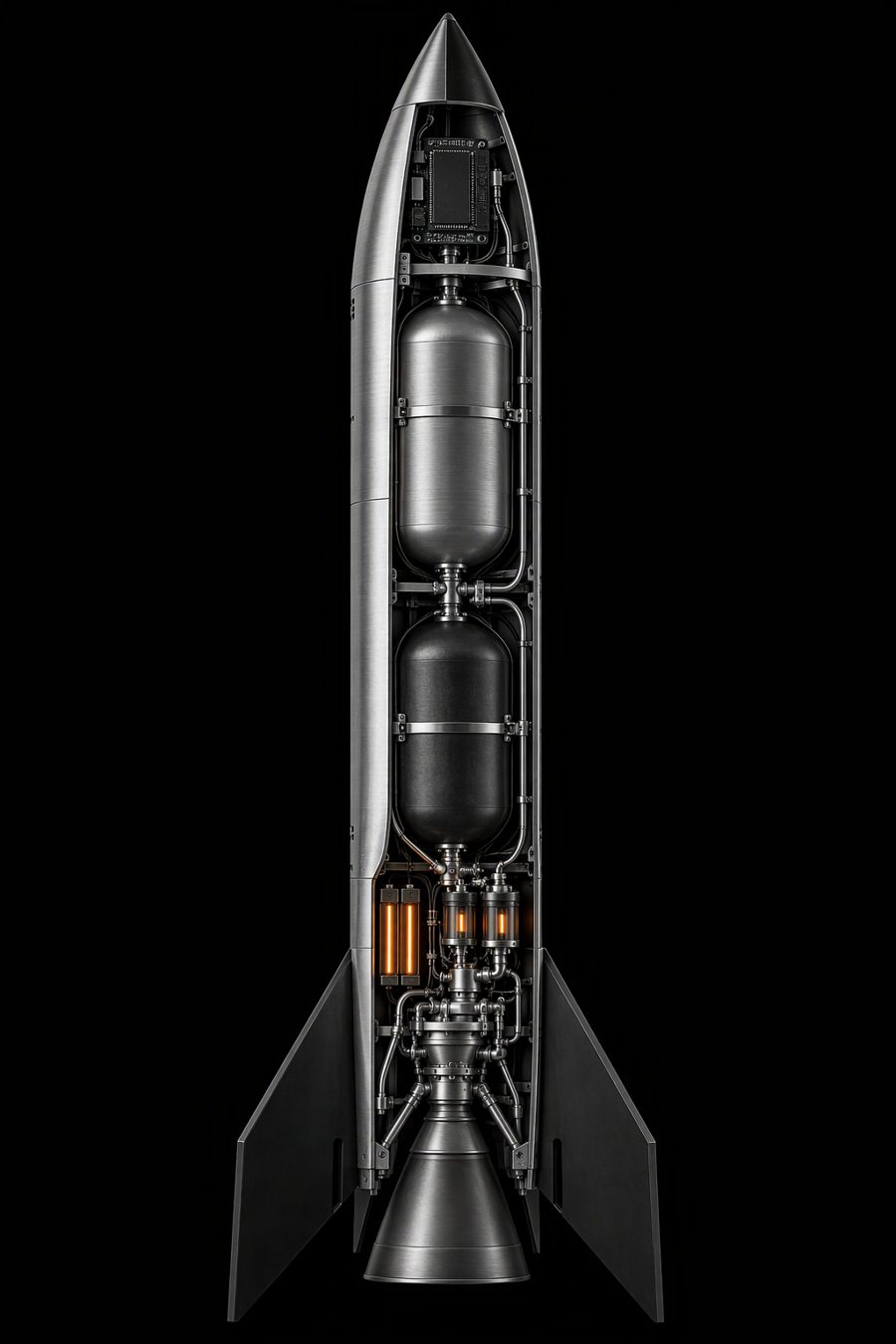
Concept cutaway of the E-1 electric-pump rocket
E-1 ElectricElectric pumps · Research
01

Certified solid motors

Bought, tested hobby motors. Safe, legal and repeatable, so the rocket and electronics can be proven first.

Now
02

Sugar research motors

Our own solid motors, made only with the right licence and under UK Rocketry Association supervision.

Later · licensed
03

Hybrid engine

A solid plastic fuel with a liquid oxidiser. It can be throttled and shut down, which solid motors cannot.

Planned
04

Electric-pump engine

Batteries and electric motors drive the propellant pumps instead of a gas turbine. Used by very few launch companies, and almost never at small scale.

Research
05

Plasma thruster lab

Electric thrusters are far too gentle to lift off, but perfect once in space. A long-term research track for moving things in orbit.

Long term
Altitude0metres
Phase 01

On the ground

Every space company starts with something you can carry in one hand.

Rockets

Every rocket gets its own plans.

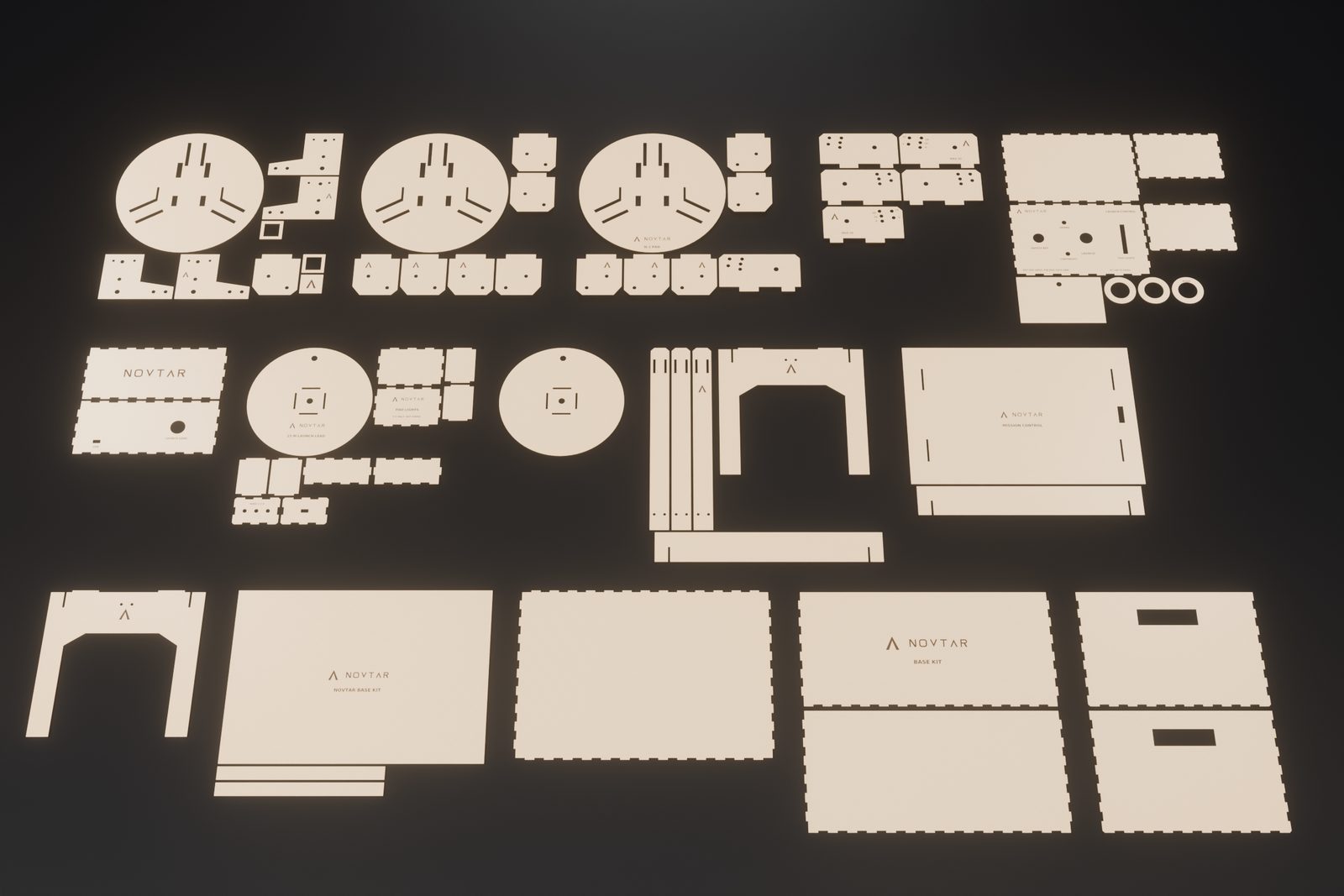
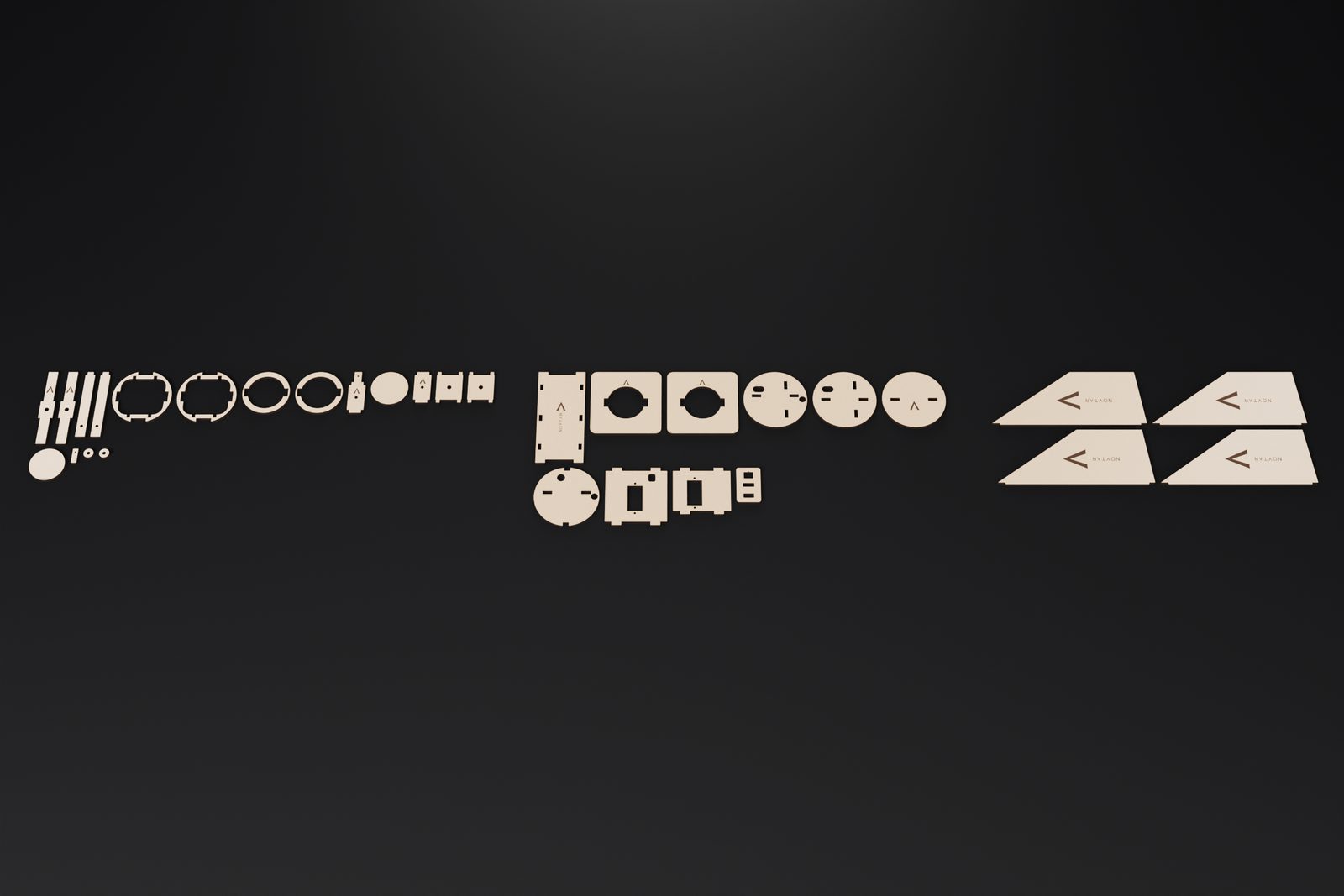
Each NOVTAR rocket has its own pages: how to build it, the parts we cut and the numbers behind it. The numbers below come straight from its design files.

All rockets, and the concepts after them

N-1

In build

Model rocket, certified 29 mm motor

Length
800 mm
Diameter
57 mm
Lift-off mass
581 gest.
Stability
1.87 calest.

From the design files. est. means worked out before building, not measured.

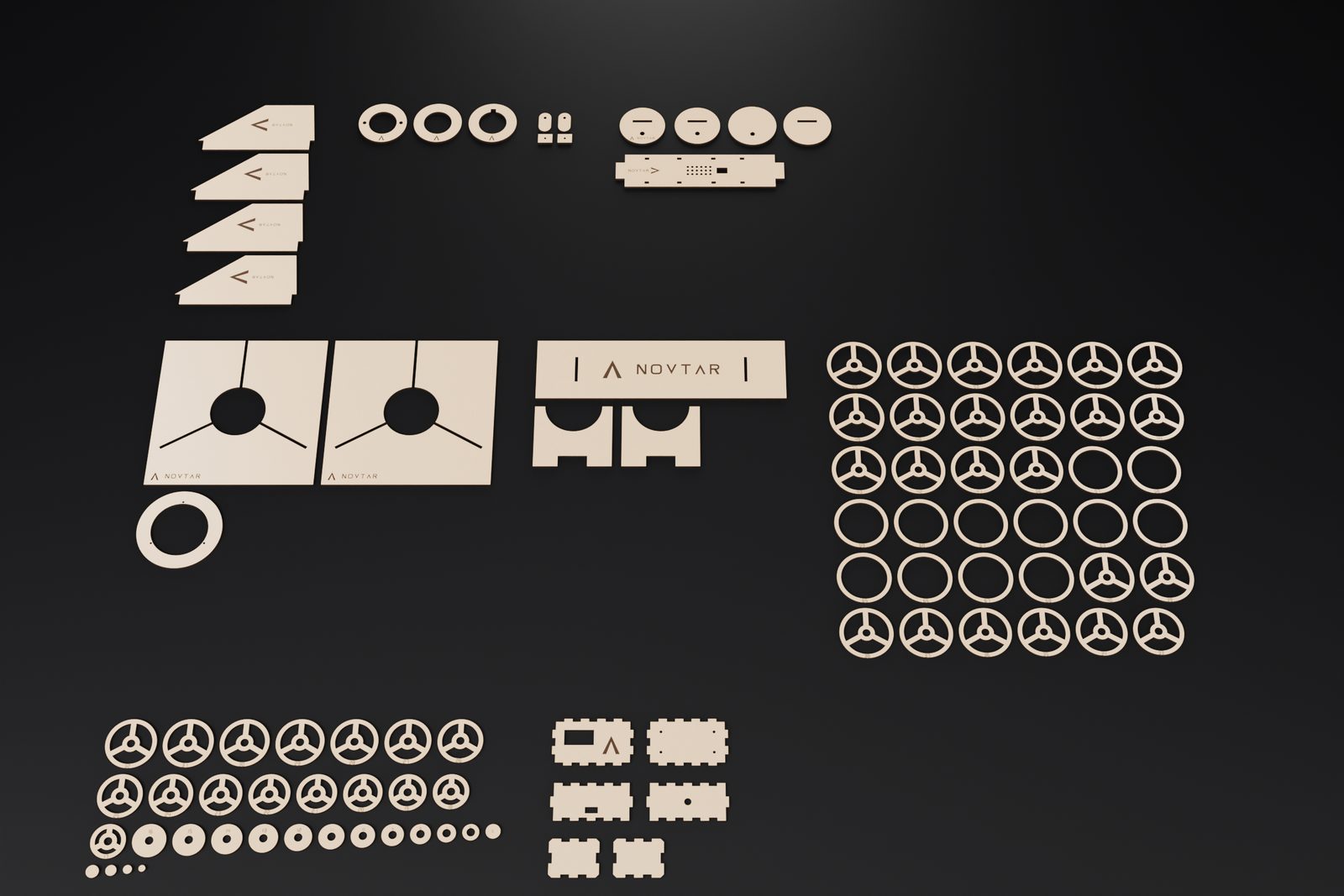
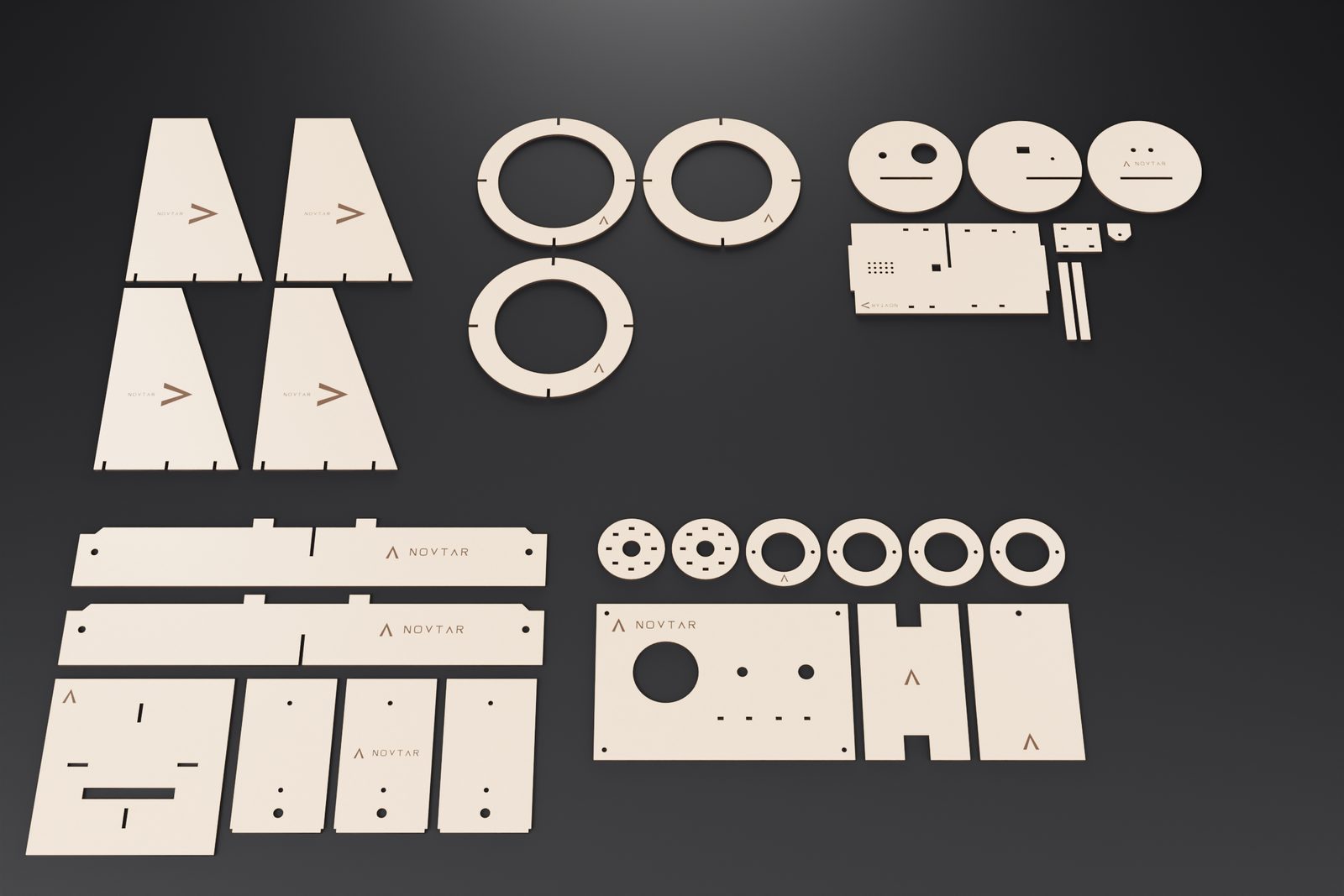
Also3D modelRendersLaser filesLaunch dayFlight card

N-1 files

NOVTAR Mission Control runs on our laptop. It talks to N-1 by radio through the ground station: live altitude, ping, locate and a log of every flight. Mission Control

W-1

Planning

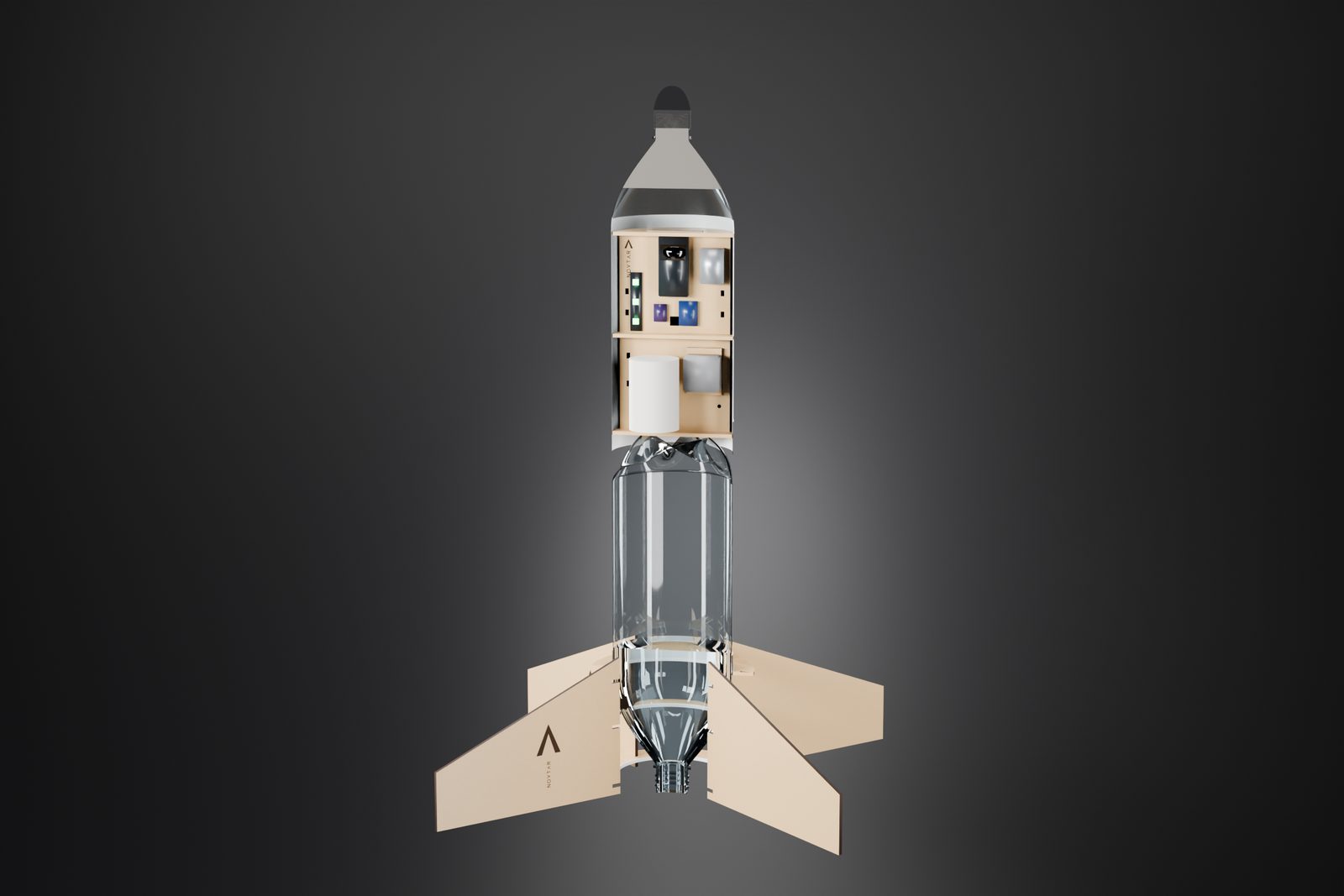
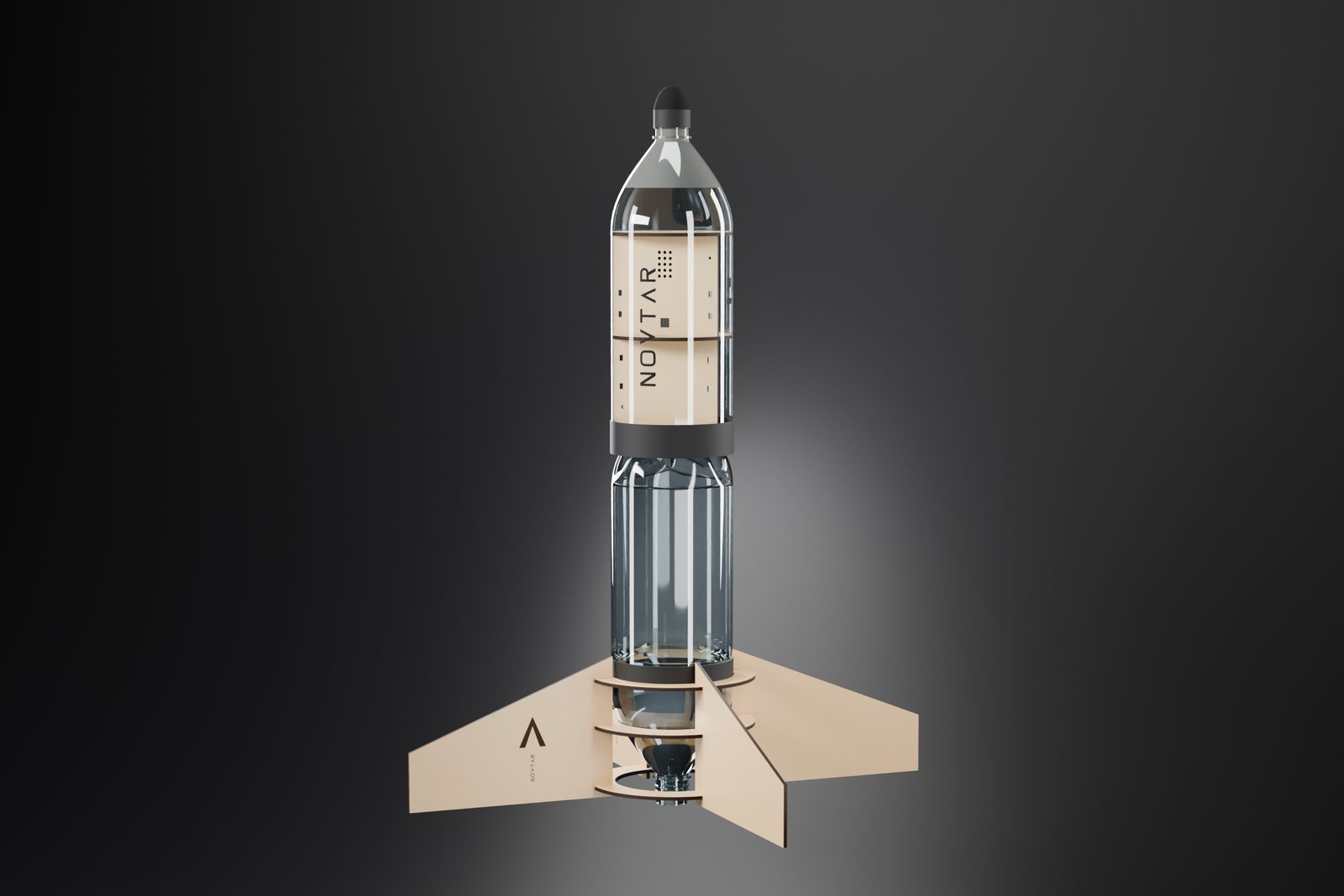
Water rocket, air and water only

Pressure bottle (PET)
2 L
Launch pressure (max 50)
40 psi
Length
610 mmest.
Mass, empty
668 gest.

From the design files. est. means worked out before building, not measured.

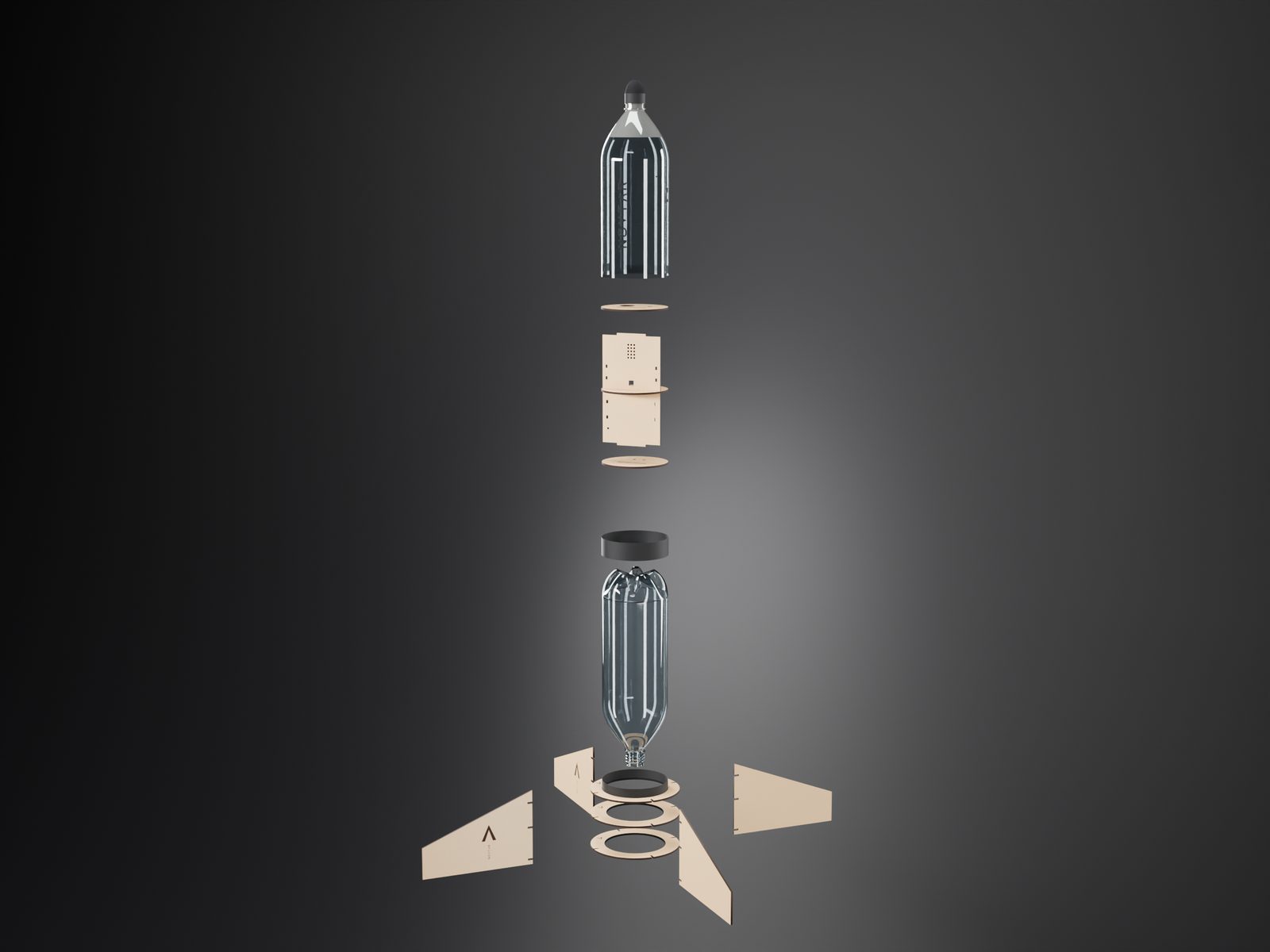
Also3D modelRendersLaser filesLauncher

W-1 files

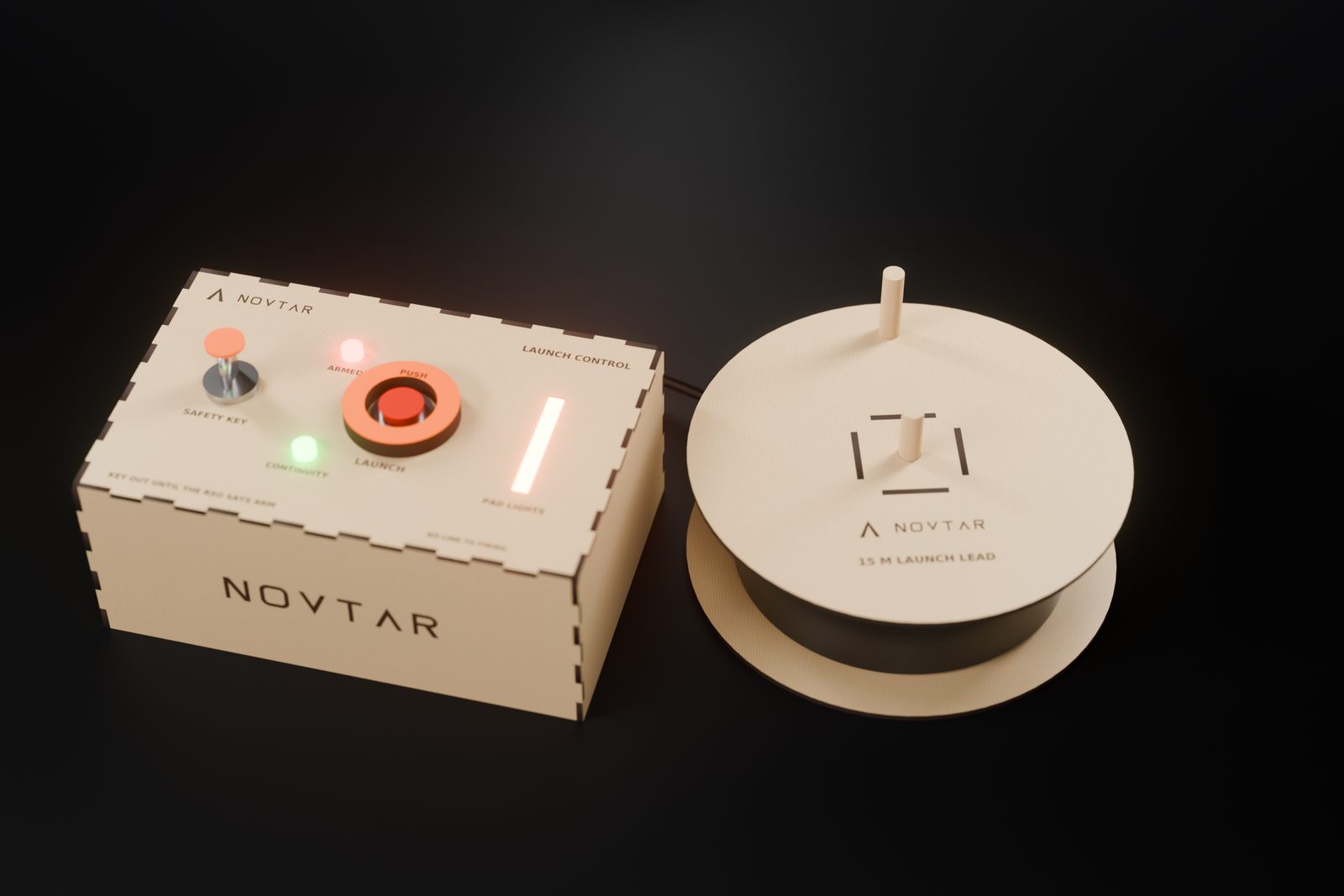
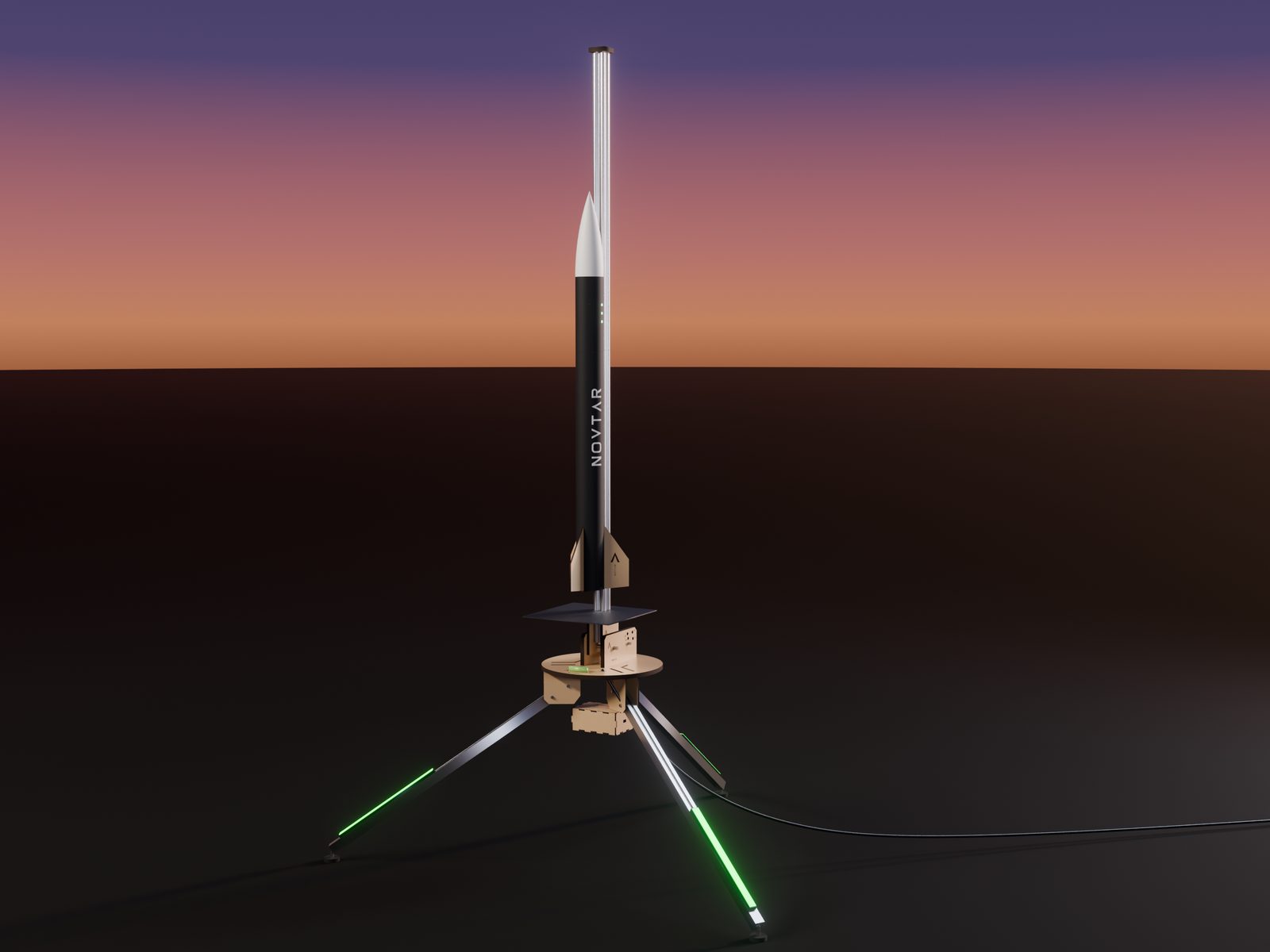
Base kit

Planning

Folding launch pad, controller and ground station

Launch rail
1.2 m
Max tilt
20°
Launch lead
15 m
Pad footprint
1.12 m

From the design files.

AlsoRendersLaser files

Base kit files

N-1 TVC

In design

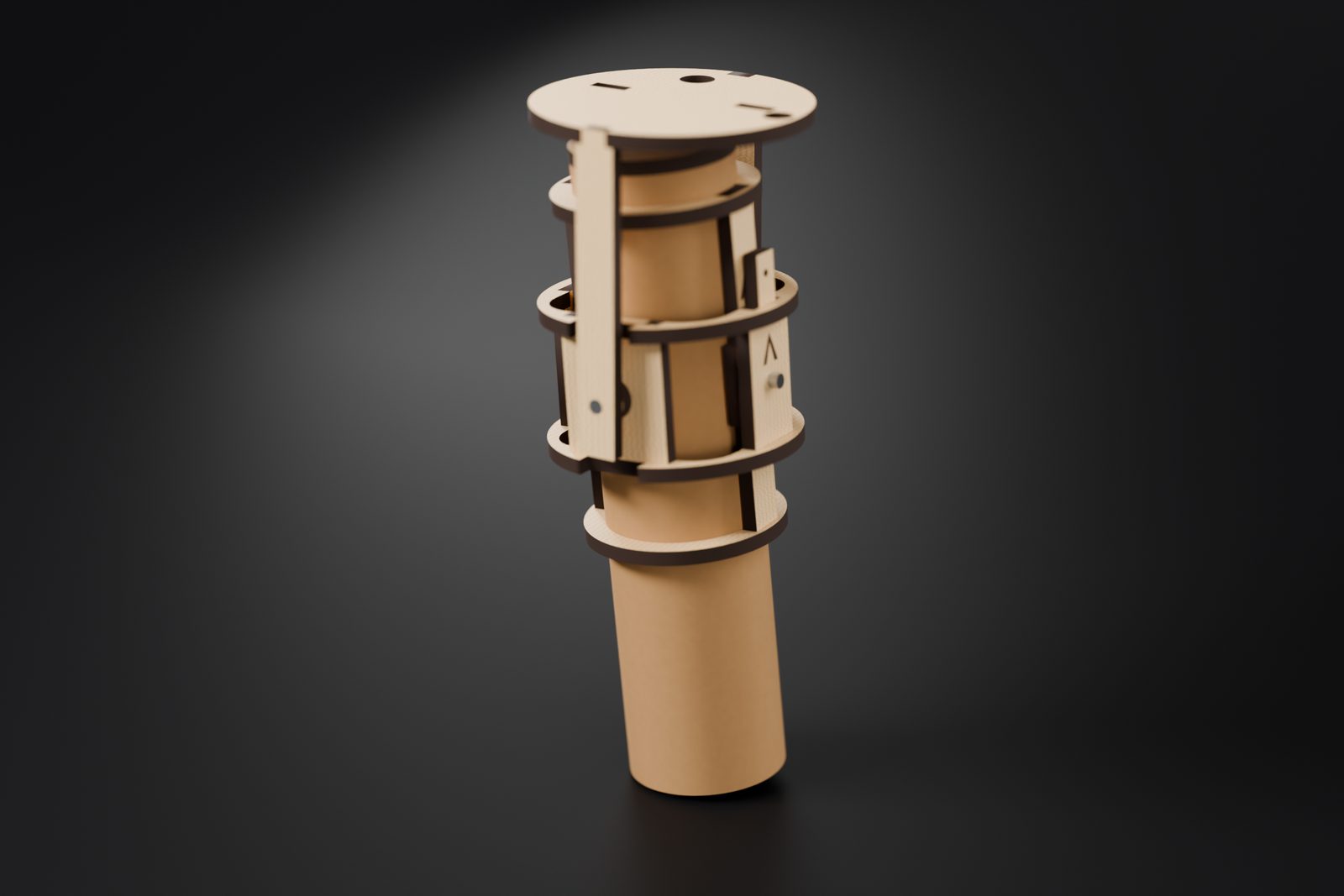
Thrust vector control for N-1, vertical hold only

Gimbal travel
5 deg
Motor
29 mm
Fits tube
54 mm inside
Added mass
114 gest.

From the design files. est. means worked out before building, not measured.

Also3D modelRendersLaser files

N-1 TVC files

Concept roadmap

After N-1, each one bigger than the last.

N-2Concept · next

High-power rocket

Bigger motors, our own flight computer and live telemetry.

N-3Concept · planned

Sounding rocket

Our own engine, tested on the ground first, aiming past 100 km.

N-4Concept · the goal

Orbital vehicle

Reusable, black and steel, built to land and fly again.

Concept artLaunch day
Concept art of a rocket lifting off at dusk while a crowd watches

Launch day

Where all of this is heading.

Hardware
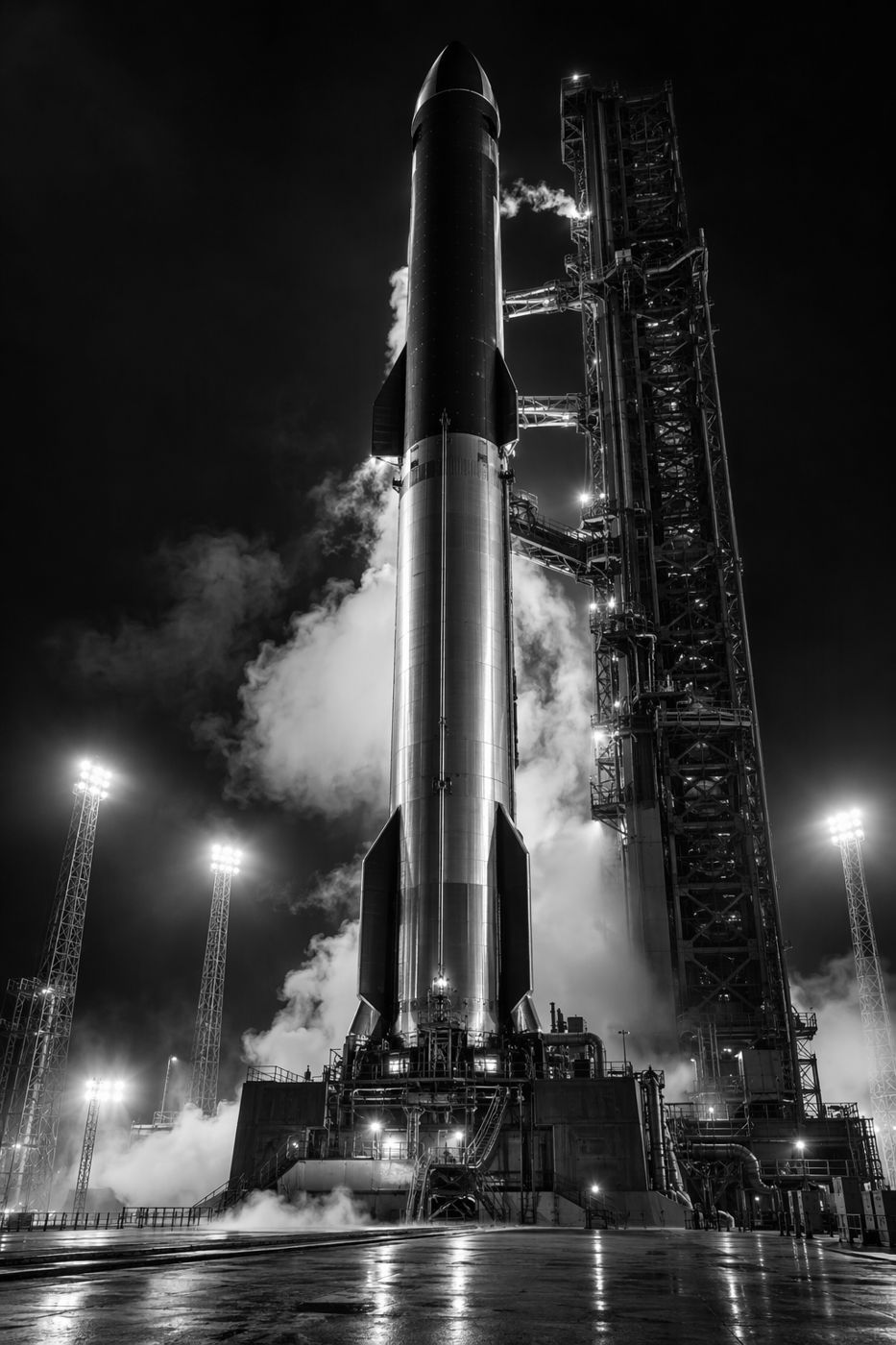
Black hull. Steel body. Made to fly again.

Concept art of a matte black and steel rocket on the pad at night
On the padConcept
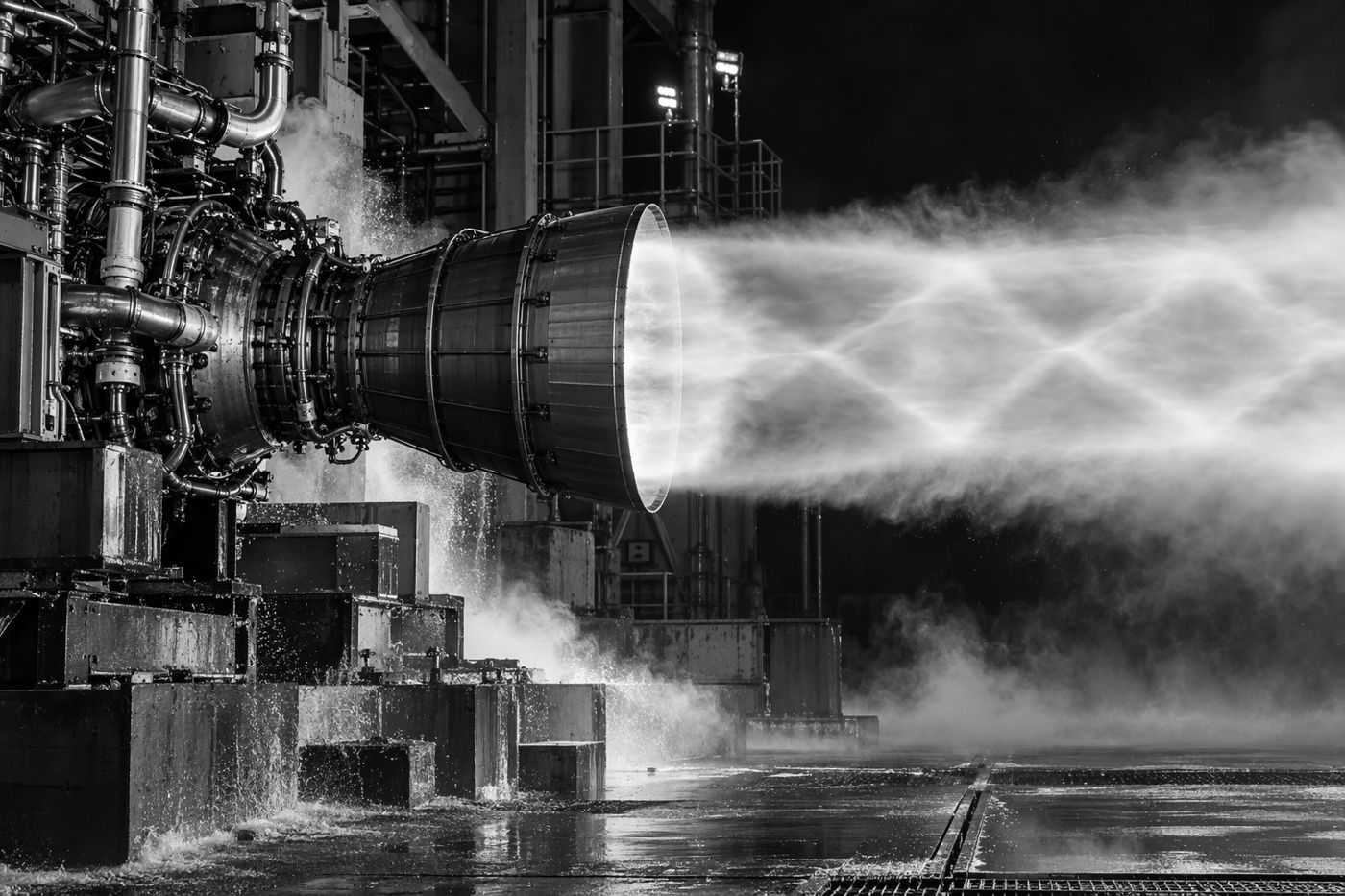
Concept art of a rocket engine firing on a test stand
Engine testConcept
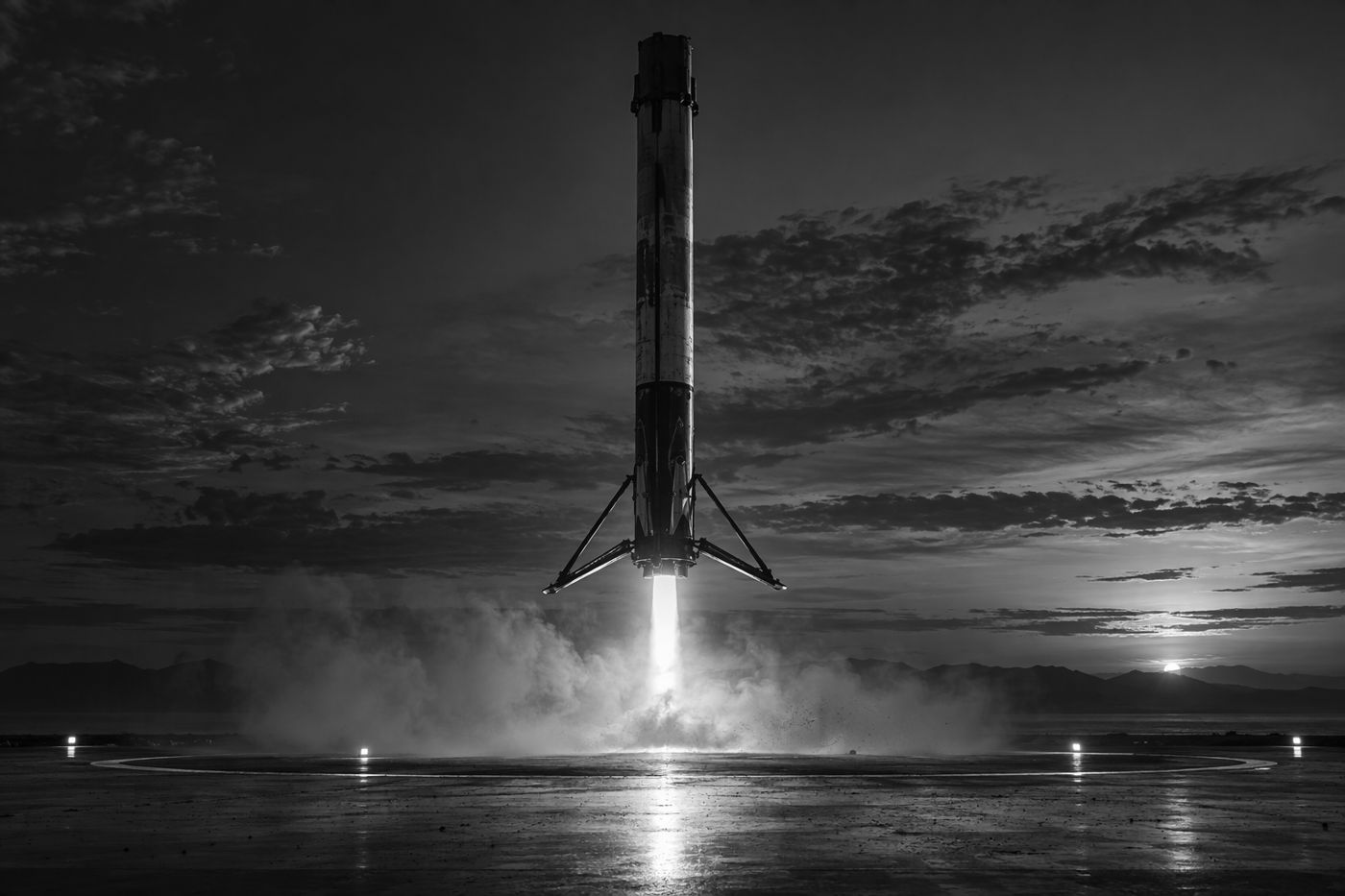
Concept art of a booster landing on its legs at dusk
Return and landConcept

The suit

Designed for people, not just payloads.

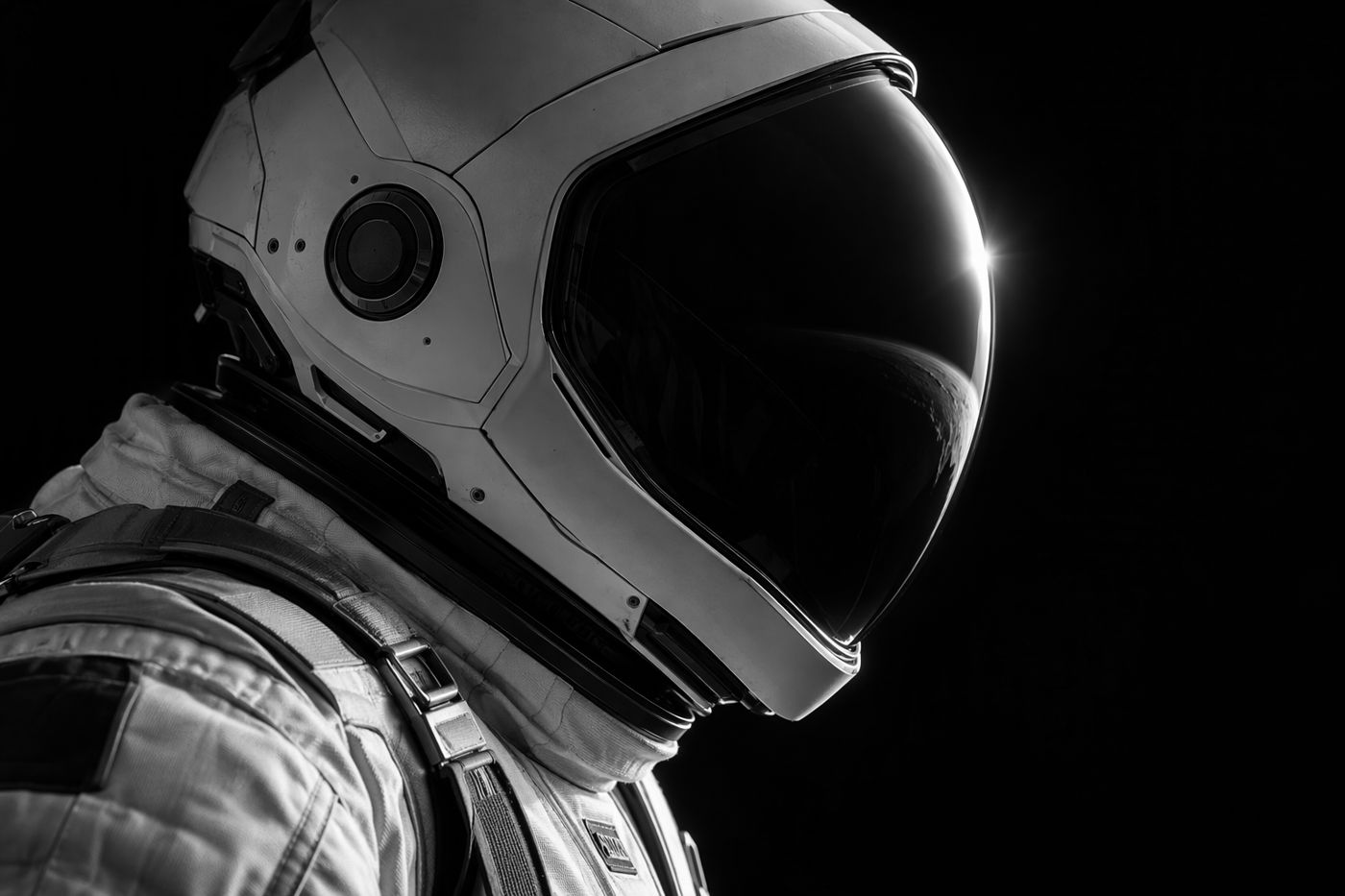
One day NOVTAR flights will carry crew. The suit concept is matte white, black at the joints, and as clean as the rockets that carry it.
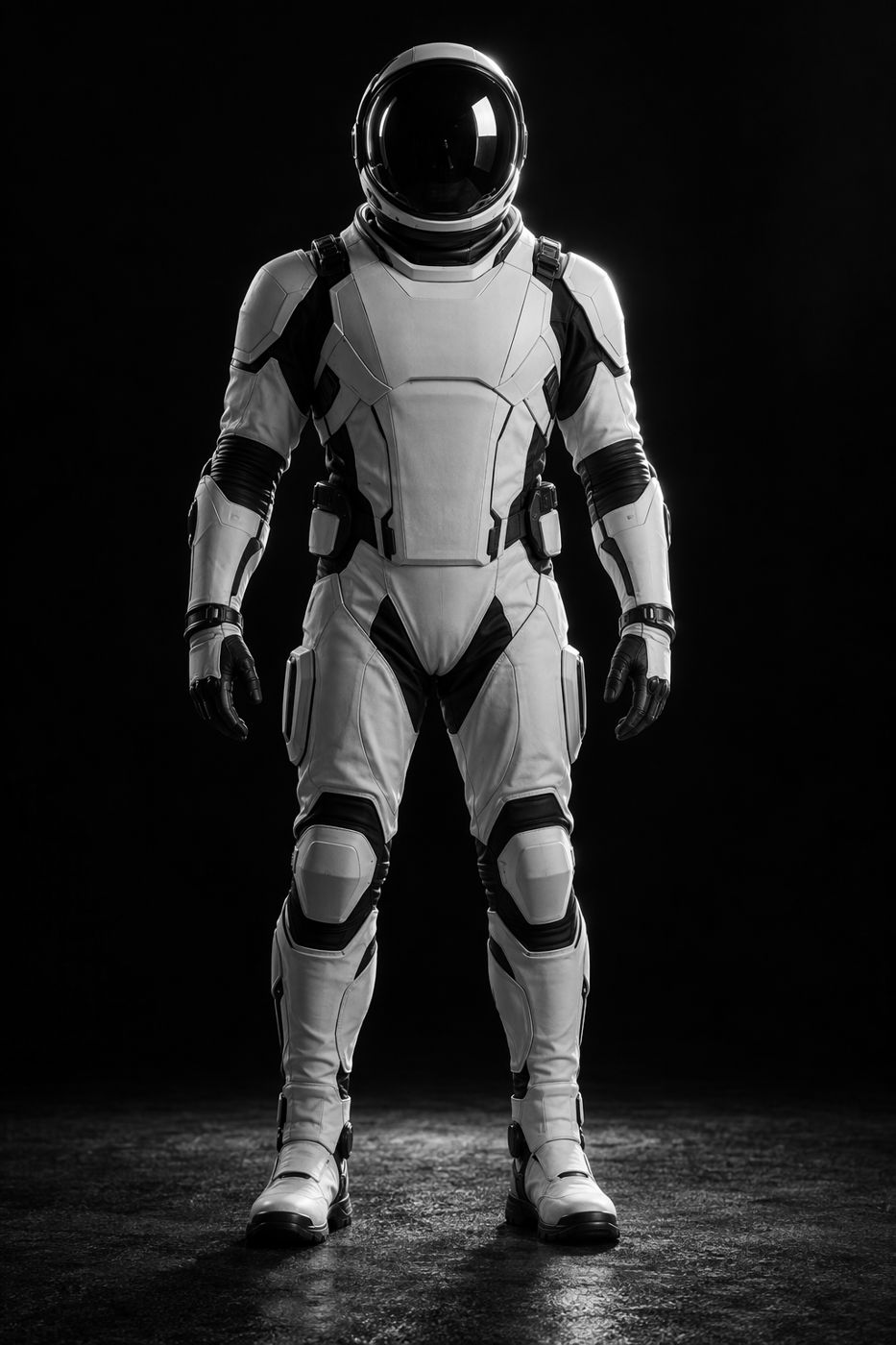
Concept art of a sleek white spacesuit in a dark studio
Crew suitConcept
Concept art of a spacesuit helmet in profile
HelmetConcept
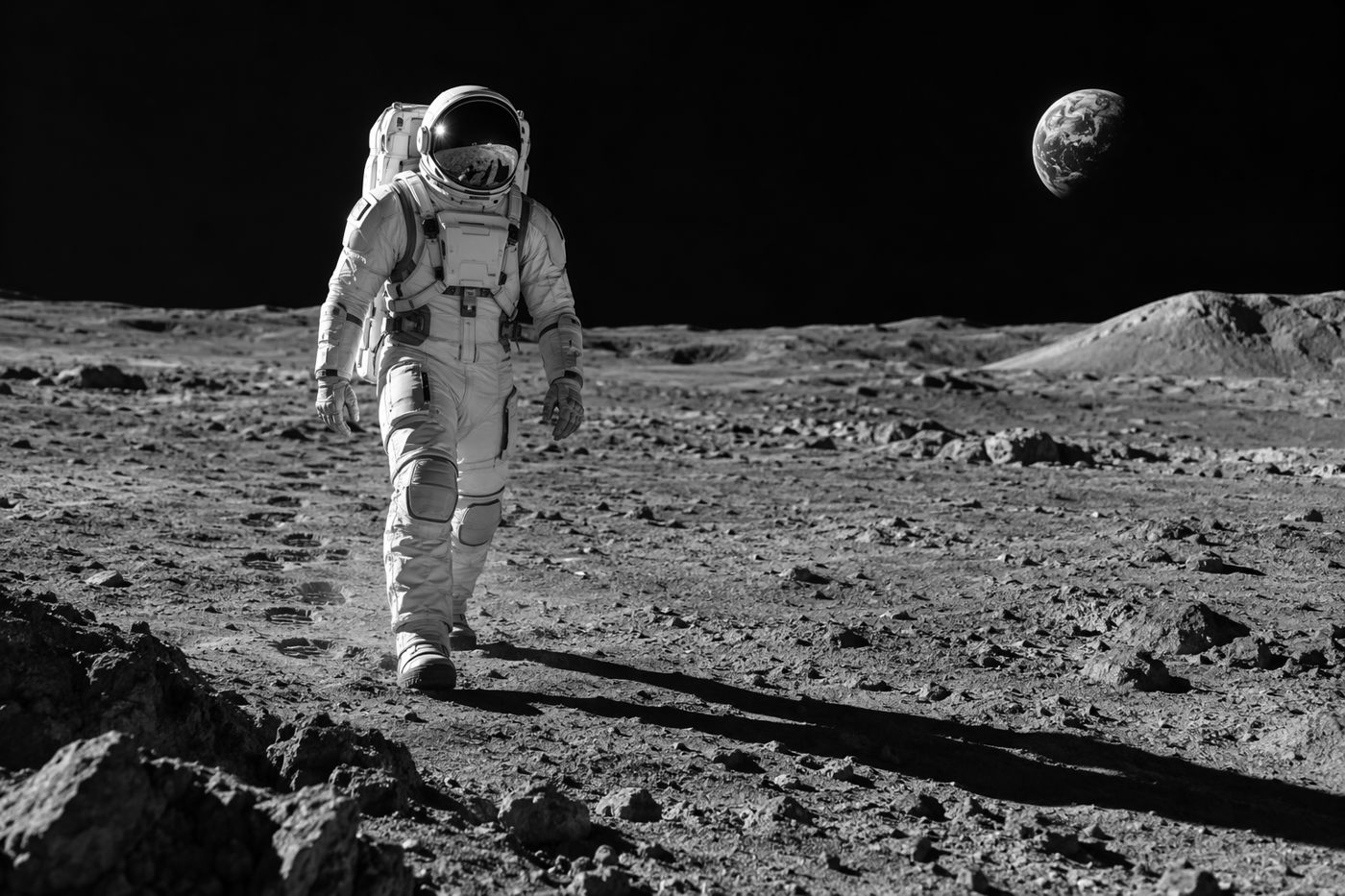
Concept art of an astronaut walking on the Moon with Earth in the sky
SurfaceConcept

The plan

In this order. No skipping steps.

  1. 01

    Model rockets

    Build and fly small rockets. Learn stability, recovery and safety, and get certified.

  2. 02

    Flight computer

    Design our own avionics: sensors, logging, parachute deployment and telemetry.

  3. 03

    High-power flights

    Larger rockets, higher altitudes, every flight logged and studied.

  4. 04

    Engine test stand

    Static fires on the ground, measuring thrust before anything flies.

  5. 05

    Past 100 km

    A suborbital flight across the line where space begins.

  6. 06

    Orbit, then the Moon

    A reusable vehicle reaching orbital speed, and whatever comes after.

Company

A British rocket company, built one flight at a time.

NOVTAR was founded in 2026 in the United Kingdom by Kristiyan Tsvetanov. It starts with model rockets and flight computers, and grows only as fast as the flights prove it can.

Founded
2026, United Kingdom
Founder
Kristiyan Tsvetanov
Building
N-1 model rocket and flight computer
Planning
W-1 water rocket
Contact
Coming when novtar.com goes live

About NOVTAR How we fly safely Journal

  • Build small, fly oftenEvery flight teaches more than a month of planning.
  • Log everythingThe flight computer records each launch, so decisions come from data.
  • Safety and the law firstCertified motors, proper launch sites, and UK Rocketry Association rules. Licences before any home-made propellant.
  • Honest progressConcept art is always labelled. We only call something built when it has been built.

Worlds

The distances that matter.

Earth from spaceEARTHSpace begins at 100 km
The MoonMOONAbout 384,400 km away
MarsMARSAt least 54.6 million km away